Shutter Shifts That Shake The Window Conversation
For years, I’ve watched people assume plantation shutters are simply another window treatment. They’re not. The interesting part isn’t that shutters suddenly became better. It’s that the world changed around them.
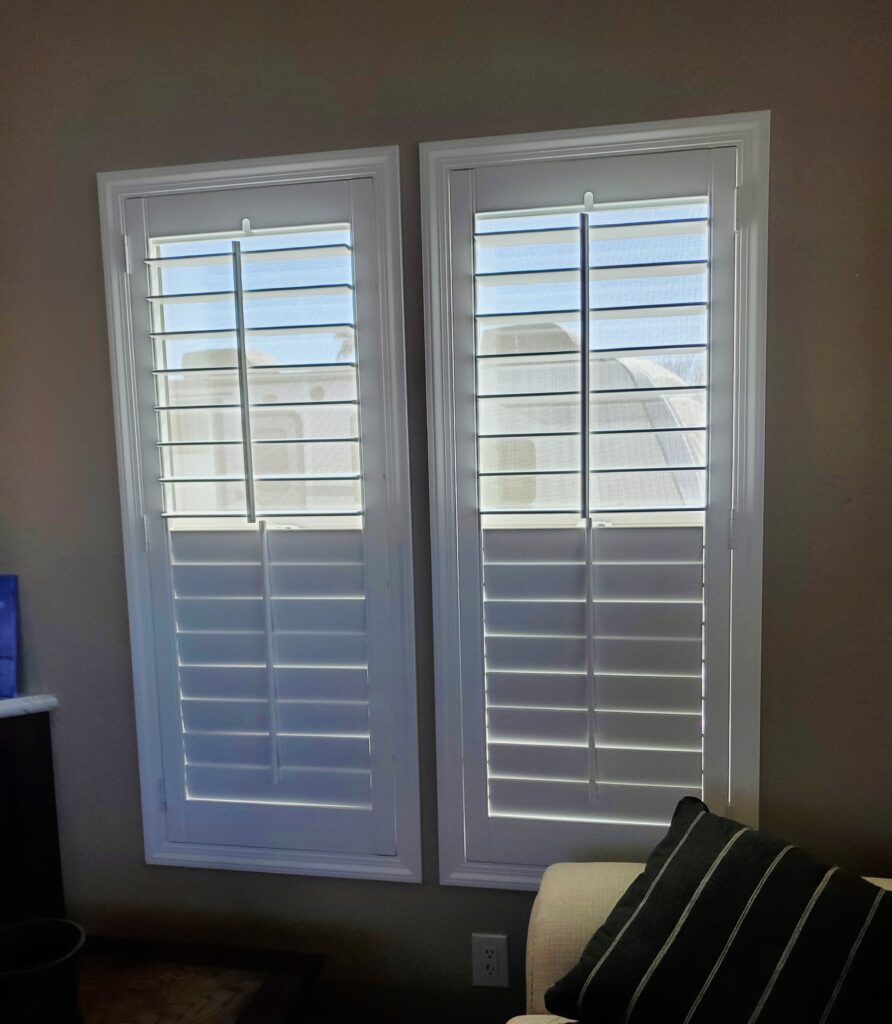
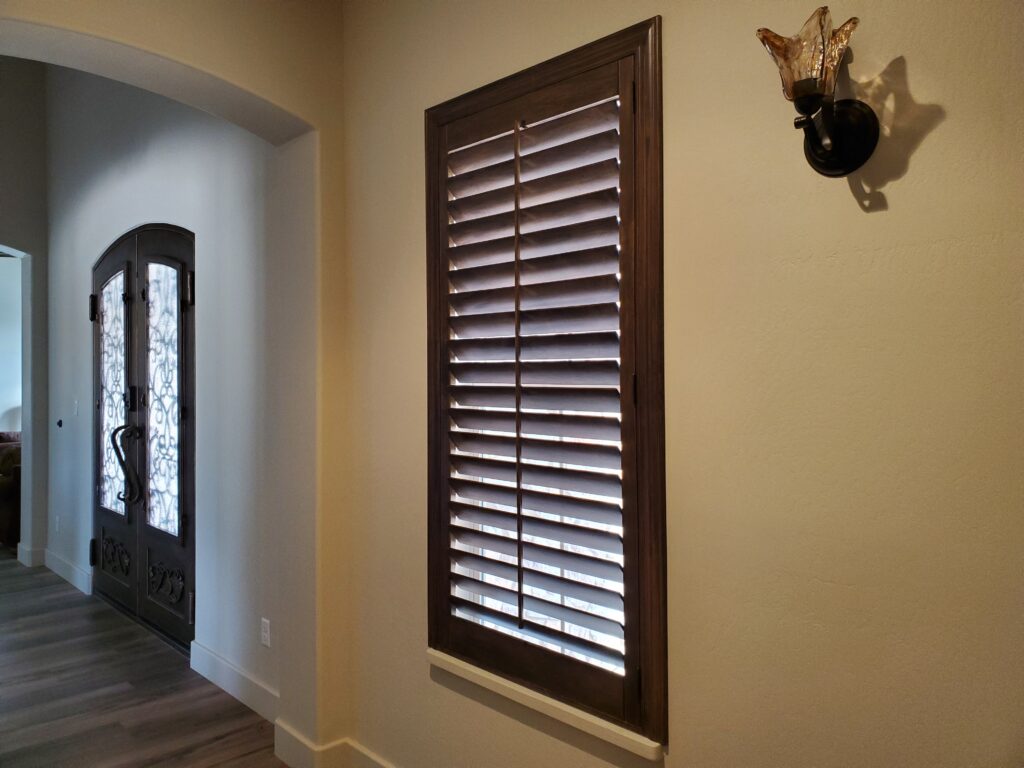
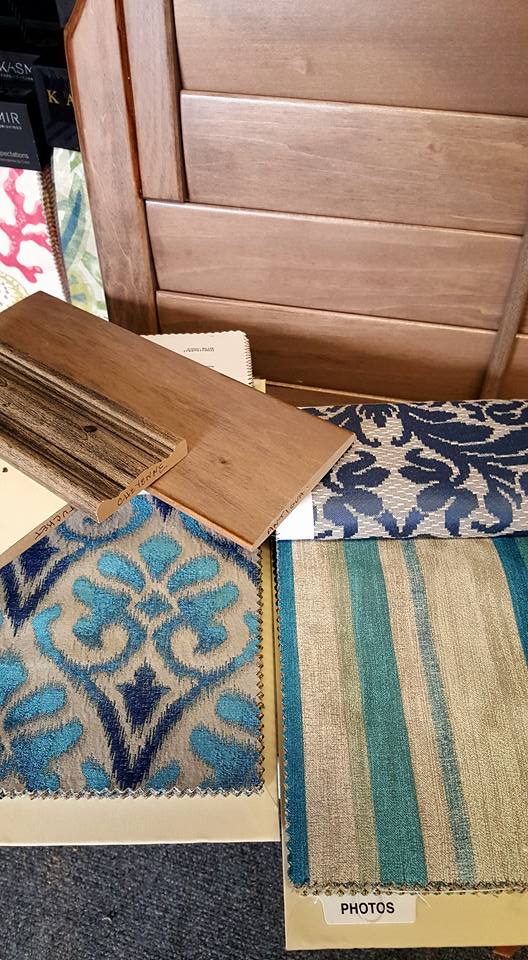
That’s why more homeowners are choosing shutters today than they did in previous decades.
I see seven shifts that completely changed the conversation.
1. Shutters became accessible instead of exclusive.
There was a time when plantation shutters were a luxury reserved for custom homes because they were made almost exclusively from wood. Today, that’s no longer true.
Vinyl and composite plantation shutters have opened the market to homeowners across a much wider range of budgets. Composite materials resist humidity, maintain their shape and color, and don’t require constant painting or sealing. That means homeowners can enjoy the timeless appearance of shutters without the maintenance or premium price tag that once kept them out of reach.
The product didn’t become less valuable. It simply became available to more people.
2. Safety regulations quietly turned shutters into the obvious choice.
One of the biggest shifts happened without most homeowners even noticing.
Since June 1, 2024, window coverings sold in the United States must be cordless or designed with inaccessible cords to improve child and pet safety.
Plantation shutters never needed to adapt.
They’re naturally cord-free. There are no dangling cords, no retrofit kits, no complicated compliance solutions. While many blinds had to evolve to meet the new regulations, shutters were already there.
Sometimes the best competitive advantage is simply being built the right way from the beginning.
3. Rising energy costs made efficiency impossible to ignore.
When utility bills were lower, energy efficiency was a nice bonus.
Today, it’s part of the buying decision.
Because plantation shutters fit tightly against the window frame, they create an insulating barrier that helps keep hot air outside during the summer and warm air inside during the winter. Composite shutters are especially effective, reducing heat transfer while helping HVAC systems work less.
For homeowners in warm climates like Yuma, that isn’t just comfort.
It’s money that stays in their pocket every month.
4. More homeowners are staying put—and investing accordingly.
High mortgage rates changed homeowner behavior.
Instead of moving, many families are improving the homes they already love.
That shift matters because plantation shutters aren’t viewed as temporary décor. They’re considered a permanent architectural upgrade that adds beauty, functionality, and long-term value to the home.
Someone planning to move next year often buys blinds.
Someone planning to stay for the next decade usually thinks differently.
They invest differently.
5. Interior design trends finally caught up with what shutters have always offered.
Design trends move in cycles.
Today’s homes celebrate clean lines, warm minimalism, natural materials, and timeless craftsmanship. Custom plantation shutters fit seamlessly into that aesthetic. They can blend with trim, complement wallpaper, or become part of the architecture itself.
At the same time, traditional design has made a comeback.
That’s what makes shutters unique.
They feel modern without feeling trendy, and classic without feeling outdated.
Few window treatments can claim both.
6. Smart home technology created an entirely new premium category.
Years ago, shutters didn’t have much of a technology story.
Now they do.
Motorized plantation shutters integrate with smart home systems, voice assistants, mobile apps, and automated schedules. Homeowners who once gravitated toward motorized roller shades can now enjoy the same convenience while gaining the beauty and permanence of shutters.
Technology didn’t replace craftsmanship.
It enhanced it.
7. Working from home changed what people expect from their windows.
Millions of homeowners now spend entire days managing natural light, reducing screen glare, and maintaining privacy during video meetings.
That changes what “good window coverings” actually means.
Adjustable shutter louvers make it easy to fine-tune light throughout the day without sacrificing privacy. Instead of opening or closing an entire shade, homeowners can control exactly how much light enters the room.
It’s a small detail that makes a noticeable difference every single day.
The real story isn’t that plantation shutters changed.
The market changed.
Safety regulations, rising energy costs, higher mortgage rates, evolving design trends, and smarter homes all aligned in favor of a product that had been quietly delivering value for decades.
That’s why I don’t position plantation shutters as a decorating expense.
I position them as a safer choice, a more energy-efficient choice, and an investment that adds lasting value to the home.
When homeowners begin seeing shutters through that lens, the higher upfront cost stops looking like an obstacle.
It starts looking like the smartest long-term decision they can make.